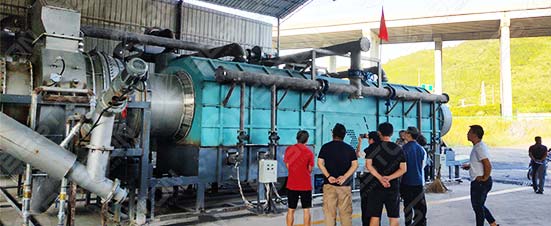
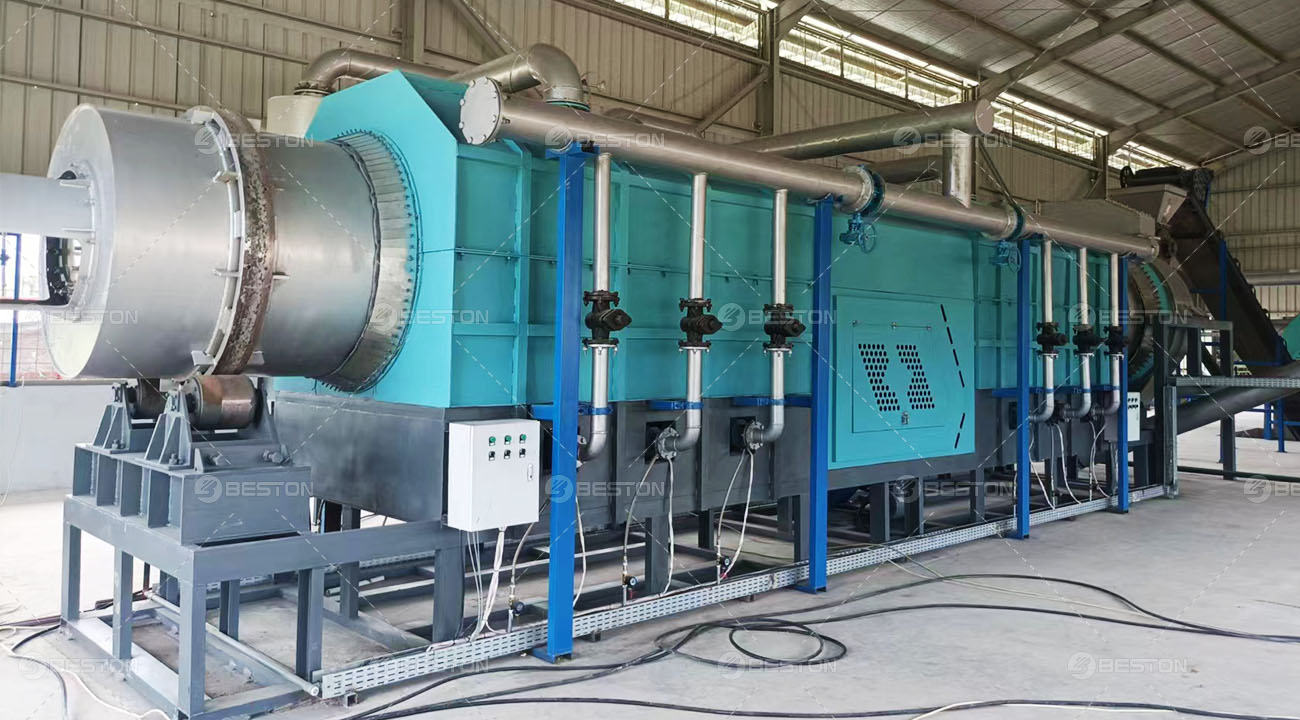
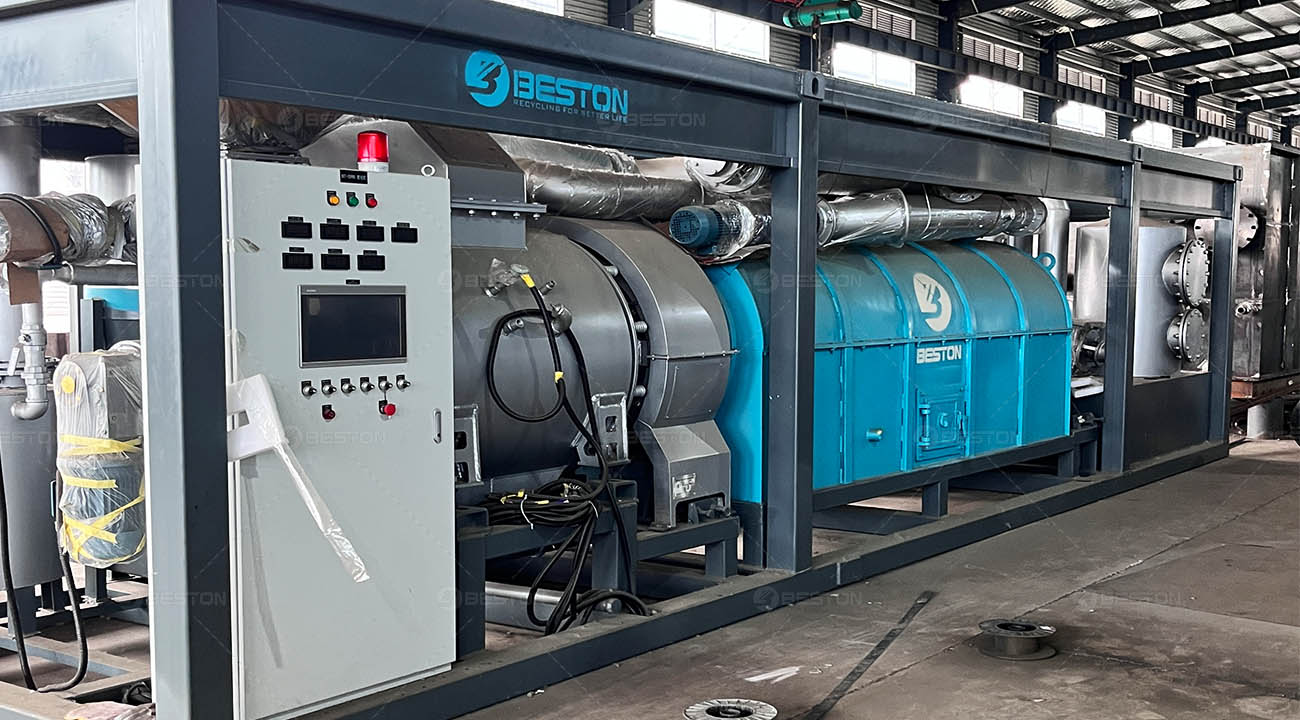
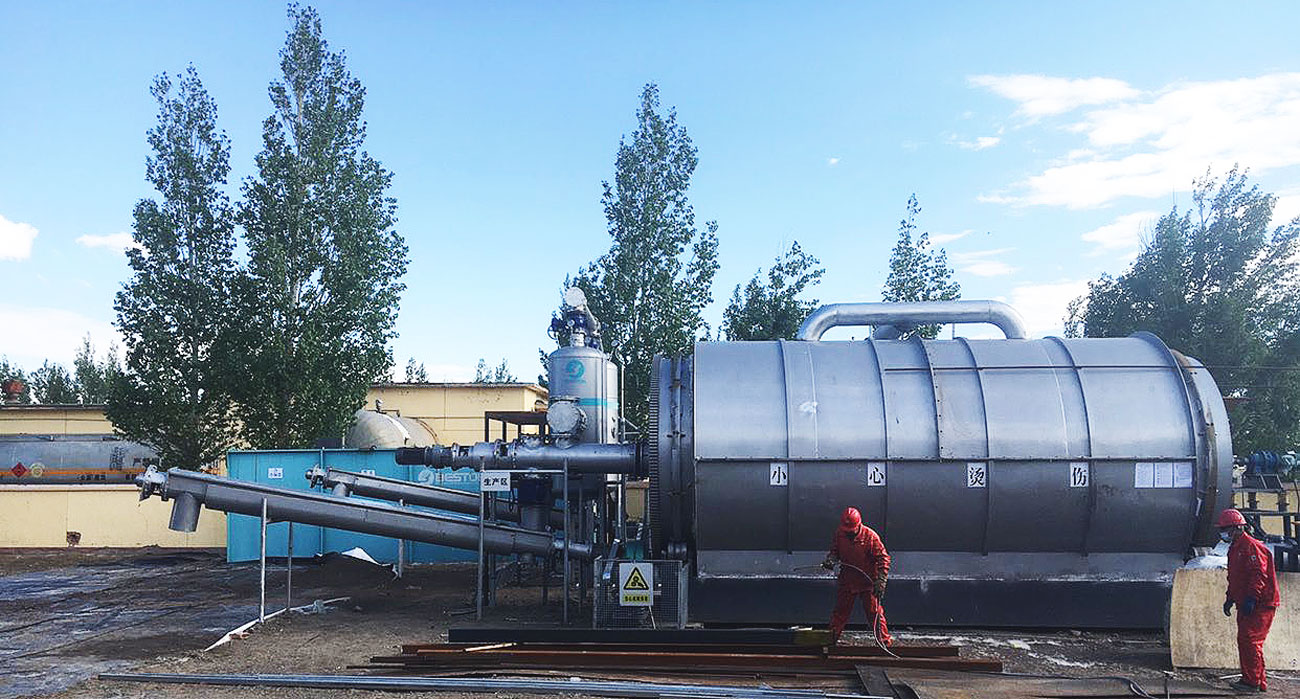
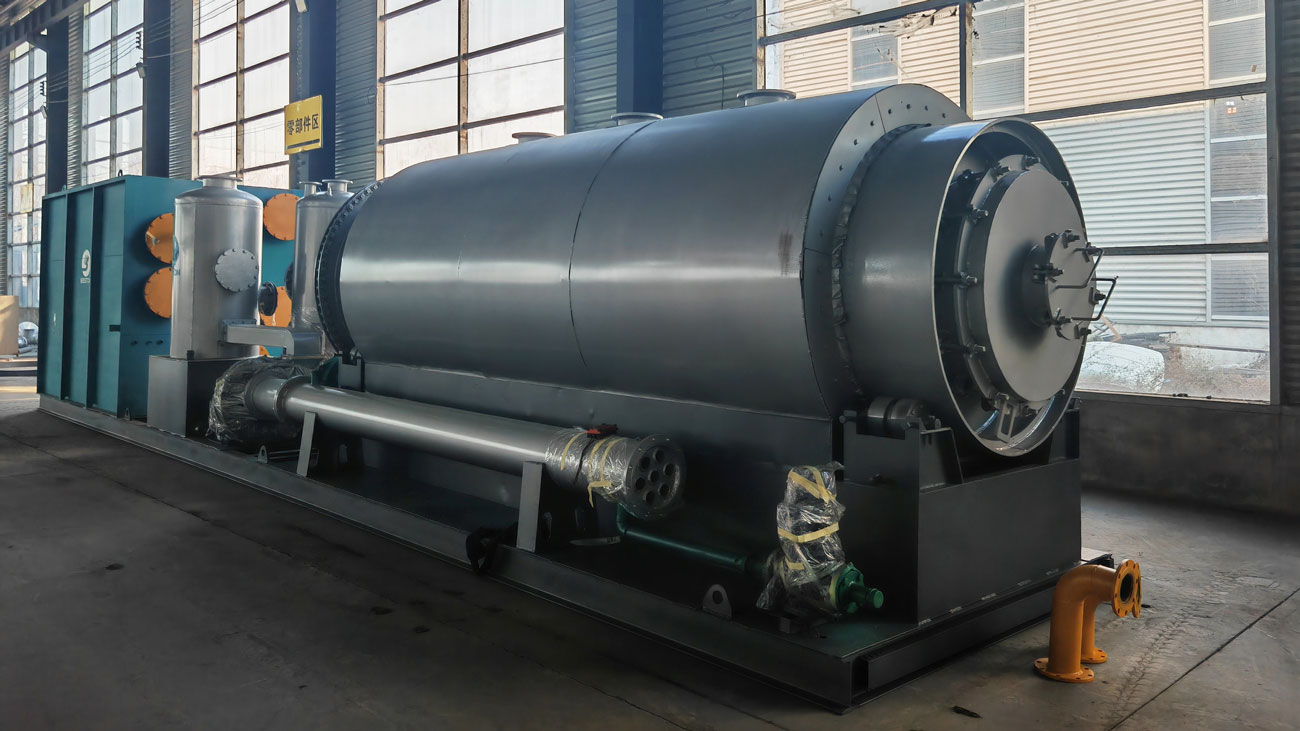
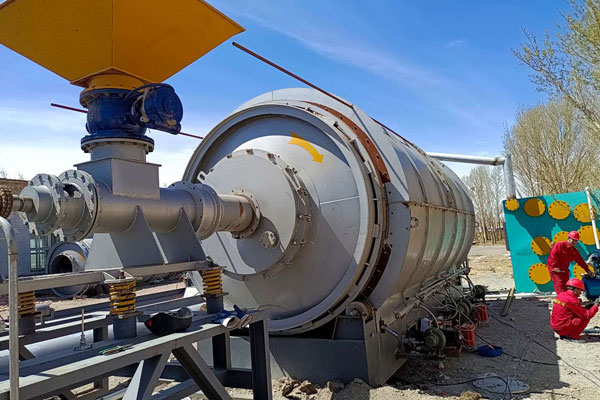
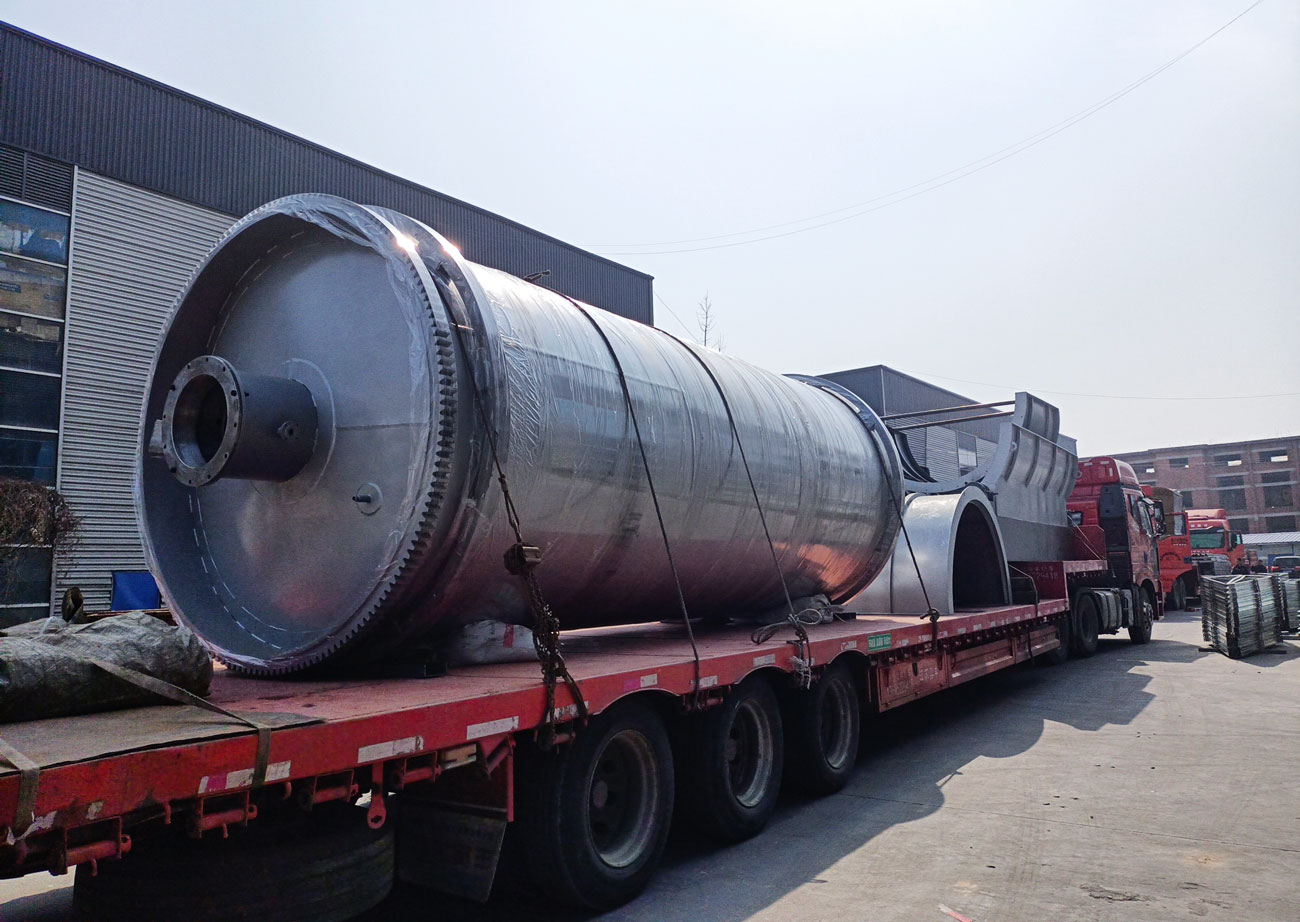
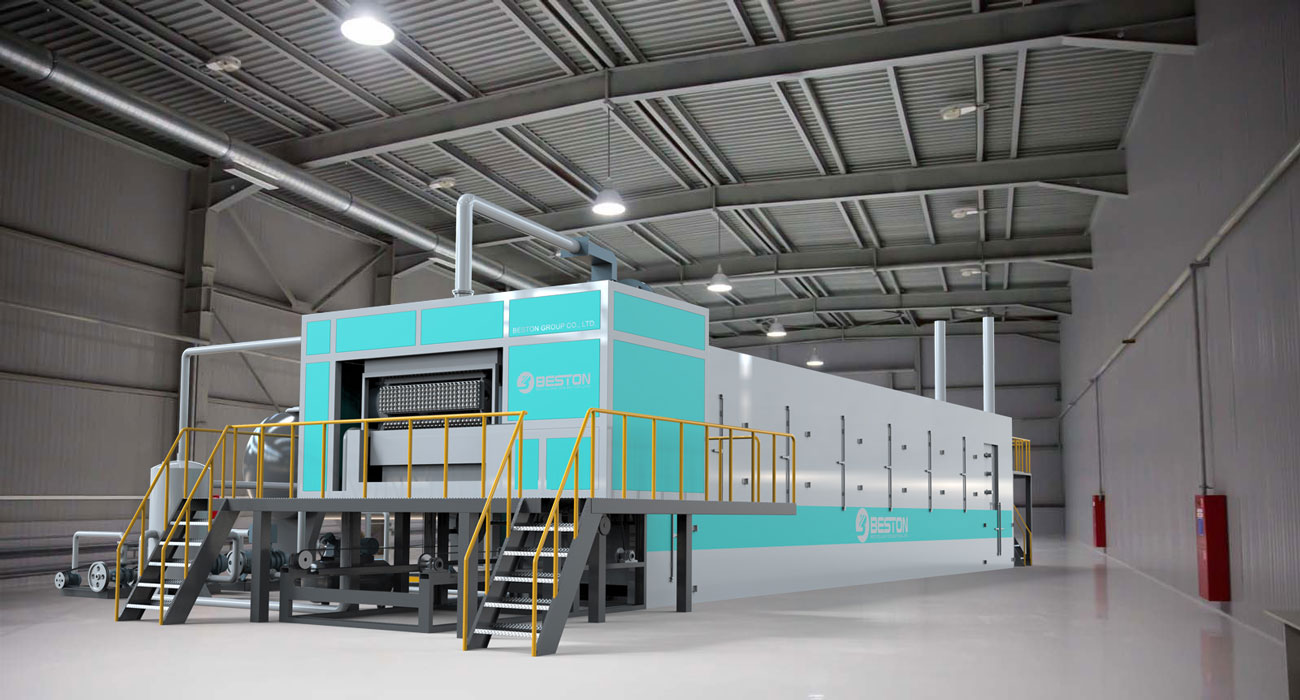
In the realm of sustainable energy and resource management, biomass pyrolysis plant stands as beacons of innovation, offering a pathway to unlock the potential of biomass through the intricate chemistry of pyrolysis. Delving into the depths of this process unveils a fascinating journey of molecular transformation and resource utilization.
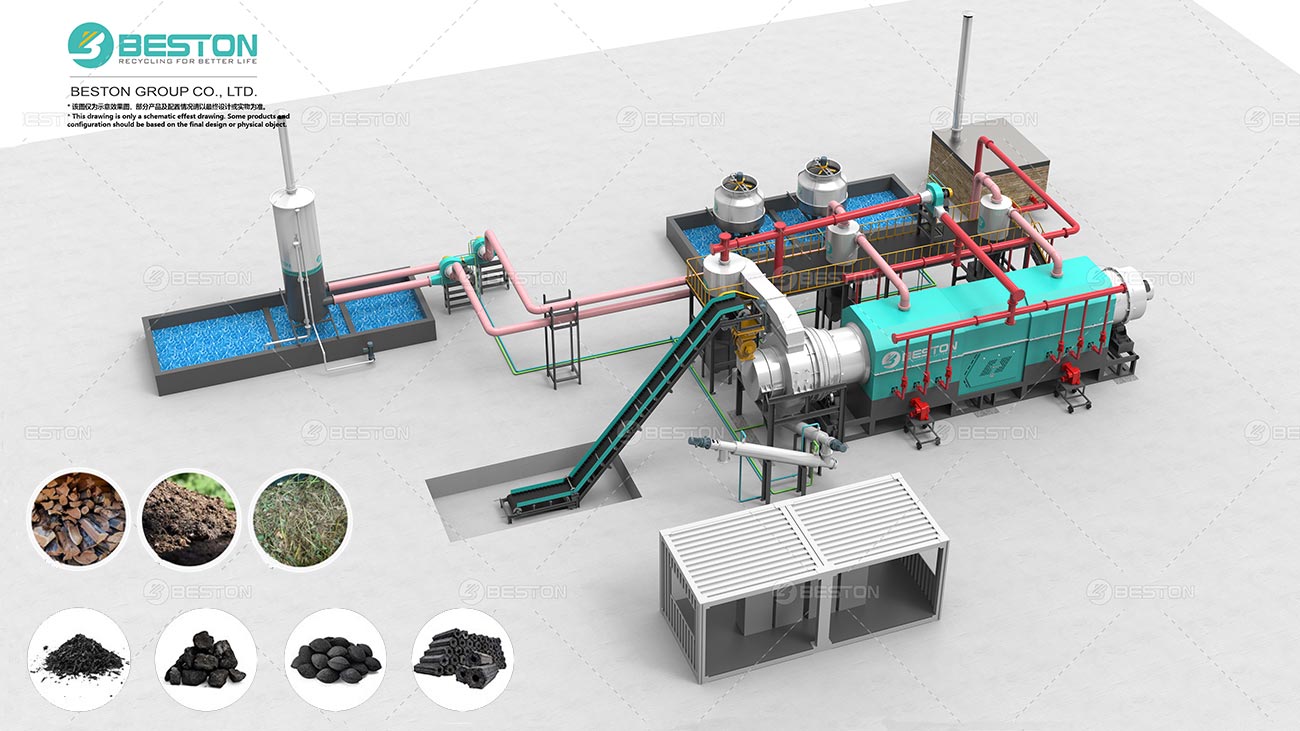
The Essence of Biomass Pyrolysis
At its core, biomass pyrolysis is a thermochemical process that involves the decomposition of organic matter in the absence of oxygen. This controlled heating of biomass materials triggers a cascade of chemical reactions, leading to the formation of valuable products such as biochar, bio-oil, and syngas.
Unraveling the Chemistry
1. Depolymerization
The journey begins with depolymerization, wherein the complex macromolecules present in biomass, such as cellulose, hemicellulose, and lignin, undergo thermal cracking into smaller fragments. This fragmentation process is driven by the application of heat, breaking the bonds between constituent atoms and yielding intermediate compounds rich in carbonaceous content.
2. Volatilization
As the temperature rises within the biomass carbonization machine, volatile compounds begin to evolve from the biomass matrix. These volatile species encompass a diverse array of chemical compounds, including aldehydes, ketones, alcohols, and organic acids, each contributing to the complex aromatic bouquet of pyrolysis vapors.
3. Secondary Reactions
Within the confines of the pyrolysis reactor, the volatilized compounds engage in secondary reactions, undergoing further transformation through processes such as cracking, cyclization, and condensation. These intricate chemical pathways give rise to a spectrum of intermediate products, ranging from simple hydrocarbons to complex aromatic structures.
4. Product Formation
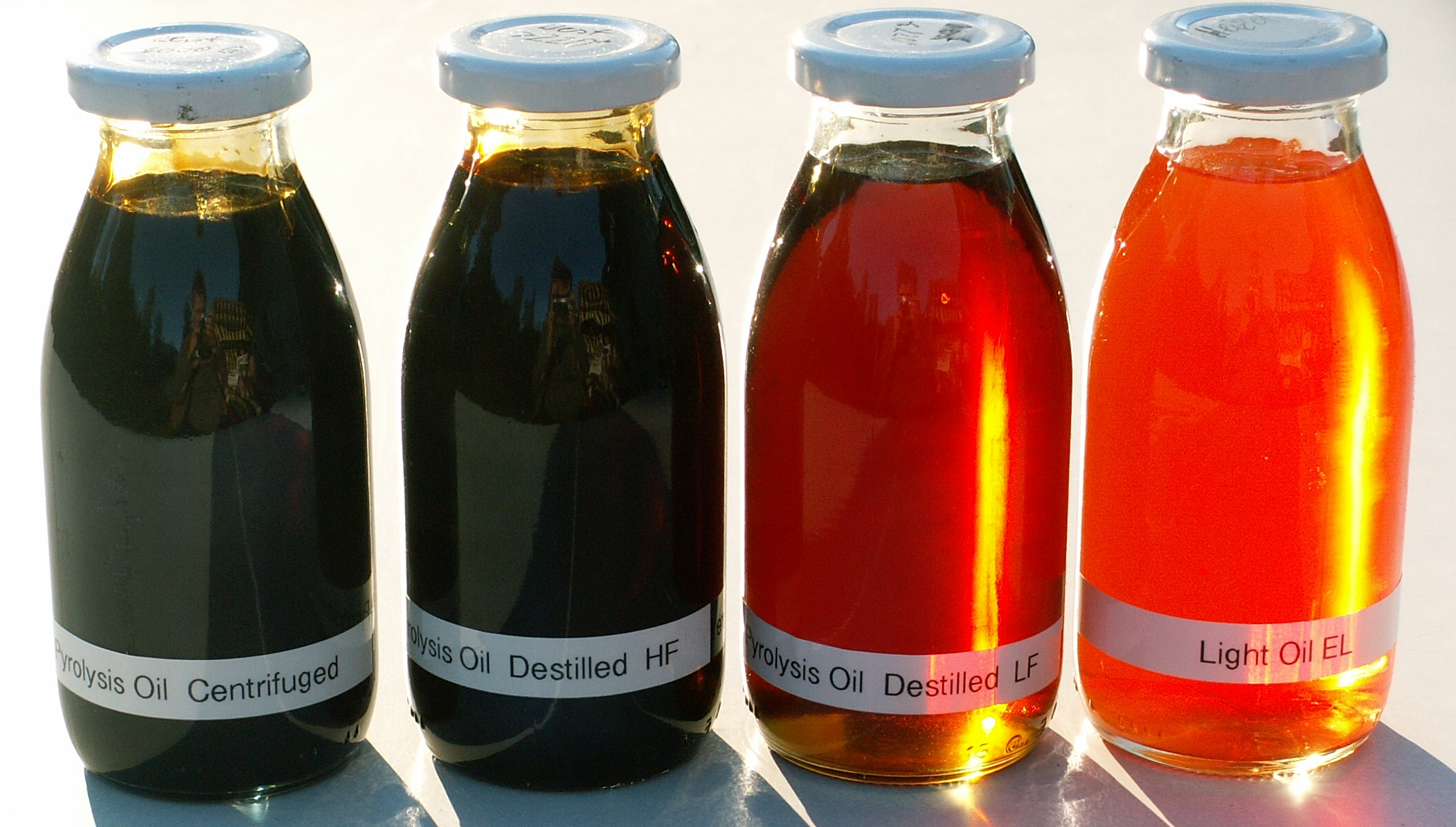
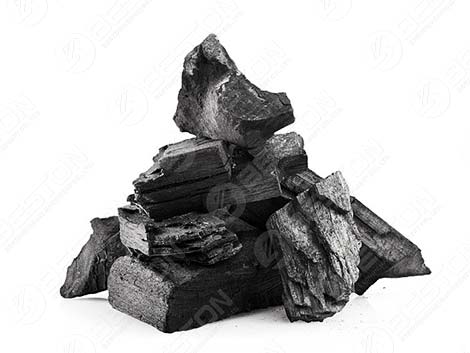
Ultimately, the culmination of these chemical processes yields the primary products of biomass pyrolysis: biochar, bio-oil, and syngas. Biochar produced by biochar production equipment, a carbon-rich residue, serves as a valuable soil amendment and carbon sequestration agent, enhancing soil fertility and mitigating greenhouse gas emissions. Bio-oil, a viscous liquid comprising a mixture of oxygenated hydrocarbons, holds promise as a renewable fuel source or feedstock for chemical synthesis. Syngas, a gaseous mixture of hydrogen, carbon monoxide, and other compounds, serves as a versatile precursor for the production of fuels, chemicals, and electricity.
The Dynamics of Pyrolysis Pathways
1. Temperature Dependency
The chemistry of biomass pyrolysis is intricately linked to temperature dynamics, with varying thermal conditions influencing the distribution and composition of pyrolysis products. Low-temperature pyrolysis tends to favor the formation of biochar and bio-oil, while high-temperature regimes promote the production of syngas and hydrocarbon gases.
2. Residence Time
The duration of biomass residence within the pyrolysis reactor, known as residence time, plays a pivotal role in shaping the pyrolysis pathways. Extended residence times facilitate the completion of secondary reactions, leading to the formation of complex aromatic compounds and enhancing the yield of valuable products such as bio-oil.
3. Feedstock Composition
The chemical composition of the biomass feedstock exerts a profound influence on pyrolysis outcomes, with variations in lignin, cellulose, and hemicellulose content dictating the distribution of pyrolysis products. For instance, lignin-rich biomass tends to yield higher quantities of biochar, whereas cellulose-rich feedstocks favor bio-oil production.
The Promise of Biomass Pyrolysis Plant
In conclusion, biomass pyrolysis plant offers a compelling avenue for harnessing the inherent energy and carbon resources embedded within biomass materials. Through a nuanced understanding of pyrolysis chemistry and process dynamics, these facilities hold the potential to revolutionize the landscape of renewable energy production, carbon sequestration, and sustainable resource utilization. As we continue to unravel the mysteries of biomass transformation, the journey towards a greener, more sustainable future beckons, guided by the guiding light of biomass pyrolysis.