Feedstock moisture is one of the most consequential variables in biochar production. Although biomass type, particle size, pyrolysis temperature, and residence time receive considerable attention, water content directly influences thermal efficiency, processing stability, product yield, and equipment throughput. For operators using a biochar equipment system, controlling feedstock moisture is therefore not merely a preparatory step. It is an essential part of process optimization.
Why Moisture Content Matters in Pyrolysis
When wet biomass enters a pyrolysis system, part of the supplied thermal energy is consumed in evaporating water before meaningful thermal decomposition can occur. This creates an energy penalty. Instead of converting biomass into biochar, gas, and condensable compounds, the system must first vaporize the entrained moisture.
A high-moisture feedstock can consequently prolong the heating period and reduce the effective thermal energy available for pyrolysis. In a biochar pyrolysis reactor, excessive water vapor may also alter the internal thermal environment, making temperature control less responsive and potentially increasing fluctuations between different processing zones.
The phenomenon is particularly important for high-throughput biomass pyrolysis equipment. If the feedstock contains substantially more water than the process design anticipates, the equipment may require greater fuel consumption to maintain the target operating temperature.
Effects on Biochar Yield and Quality
Moisture does not simply influence energy consumption. It can also affect the quantity and characteristics of the resulting biochar.
Dry biomass generally permits more efficient heat transfer and more predictable thermal degradation. As moisture increases, the available thermal energy is diverted toward drying, potentially reducing the rate at which volatile organic compounds are released from the biomass matrix. Under poorly controlled conditions, this can influence carbonization completeness and create variability in fixed-carbon content, volatile matter, ash concentration, and surface characteristics.
For this reason, consistent feedstock preparation for biomass pyrolysis equipment is particularly important when biochar is intended for applications such as soil amendment, carbon sequestration, filtration, or industrial material use. Stable moisture content helps maintain a more uniform pyrolysis regime and, consequently, a more consistent product.
Impact on Equipment Performance
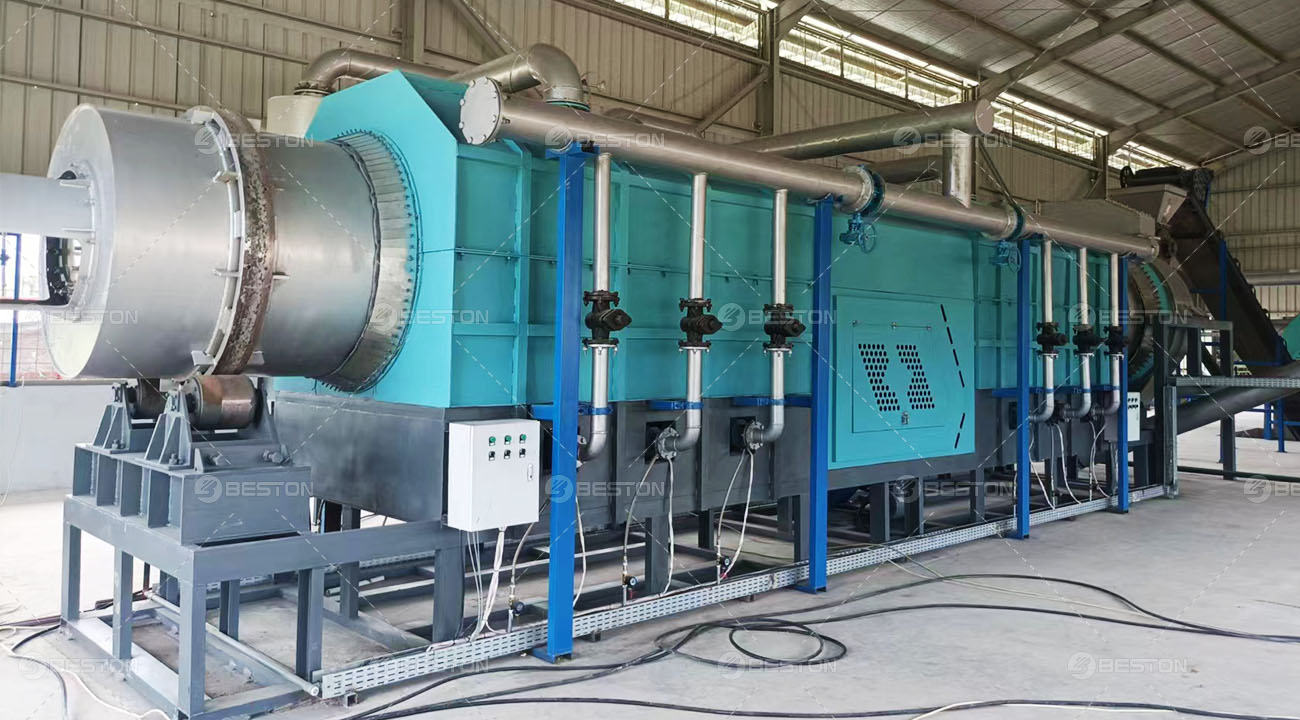
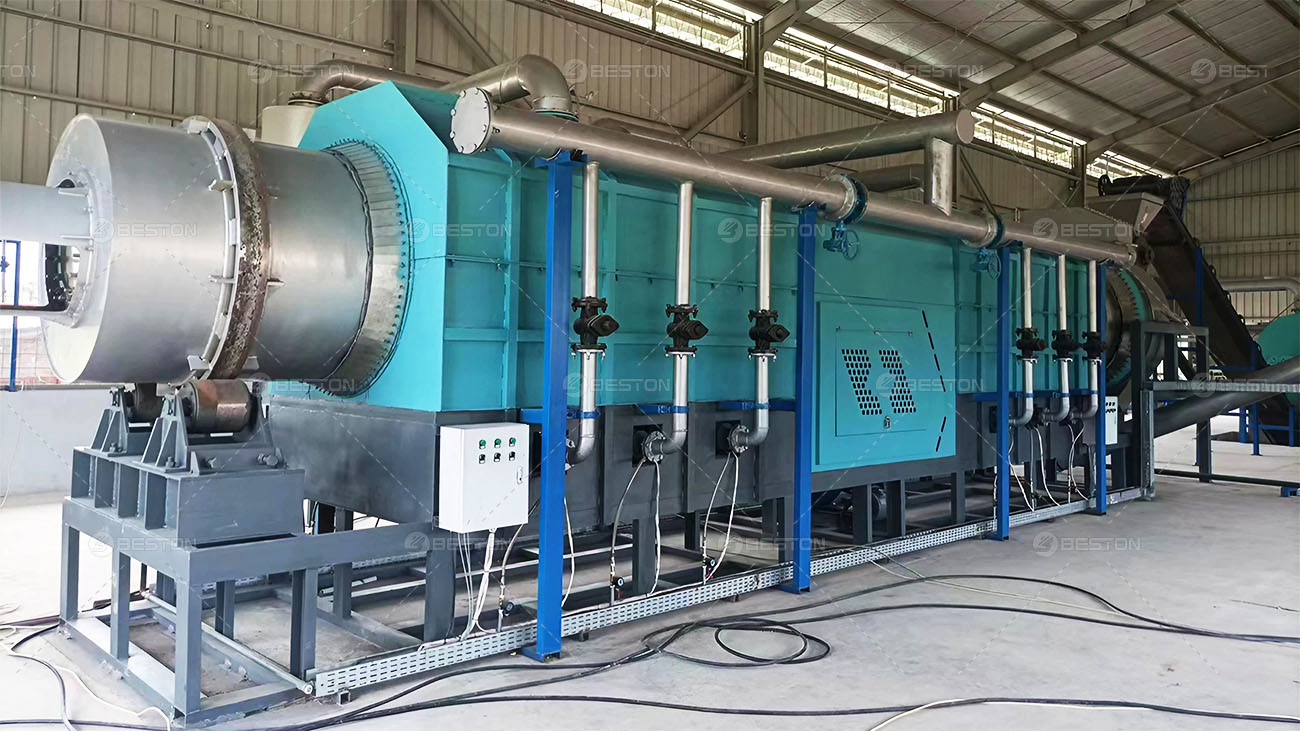
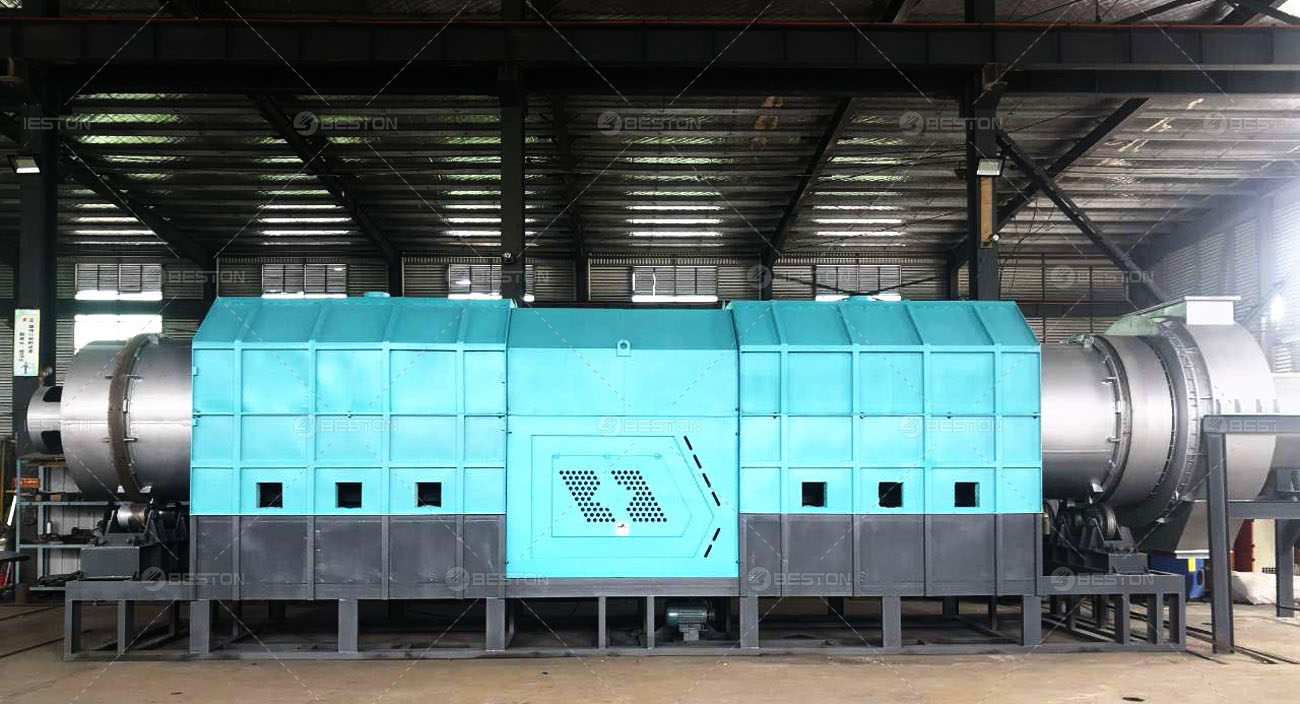
A biochar furnace must transfer heat efficiently from the heating system to the biomass. Excessive moisture introduces an additional thermal load that can compromise this balance.
Wet material may require:
- Higher fuel consumption to maintain operating temperature
- Longer heating and processing periods
- Reduced effective production capacity
- Greater variation in pyrolysis temperature
- Increased water vapor generation
- More demanding gas and vapor condensation conditions
These effects can become cumulative. For example, slower heating may reduce throughput, while additional fuel consumption raises operating costs. If the system compensates by increasing heat input too aggressively, localized overheating may occur in some areas while wetter biomass remains insufficiently processed elsewhere.
Moisture Management Before Pyrolysis
Feedstock drying is therefore an important component of process engineering. Agricultural residues, sawdust, wood chips, rice husks, coconut shells, and other biomass materials can contain substantially different amounts of inherent moisture depending on their source, storage conditions, season, and particle size.
Mechanical dewatering may be appropriate for certain wet materials, while thermal drying is more suitable for biomass that retains considerable bound moisture. Proper storage also matters. Biomass exposed to rain or high ambient humidity can rapidly regain moisture after drying.
The objective is not necessarily to eliminate every trace of water. Rather, the feedstock should reach a moisture range compatible with the reactor’s thermal design and the intended production parameters.
Optimizing Feedstock for Stable Operation
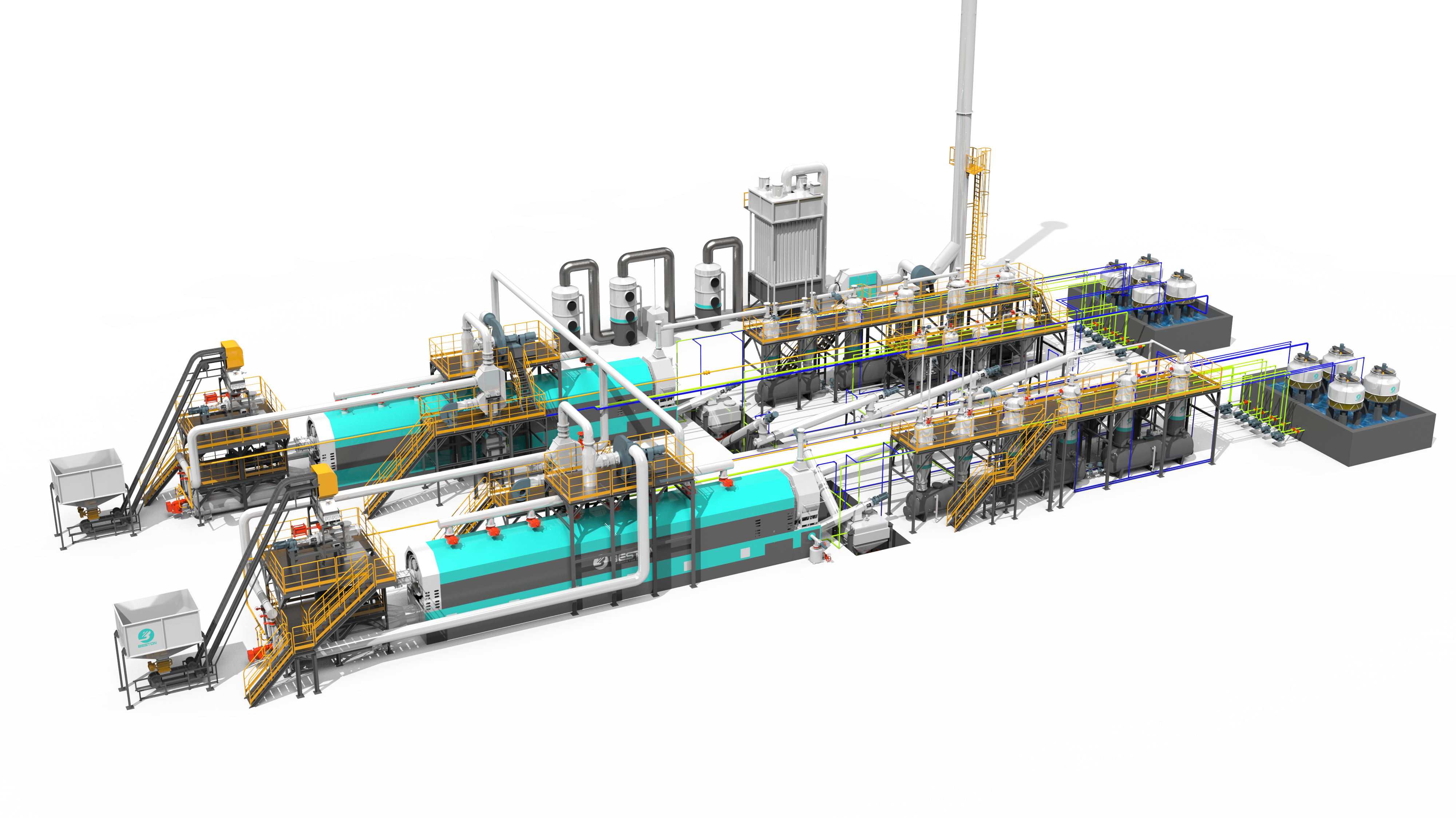
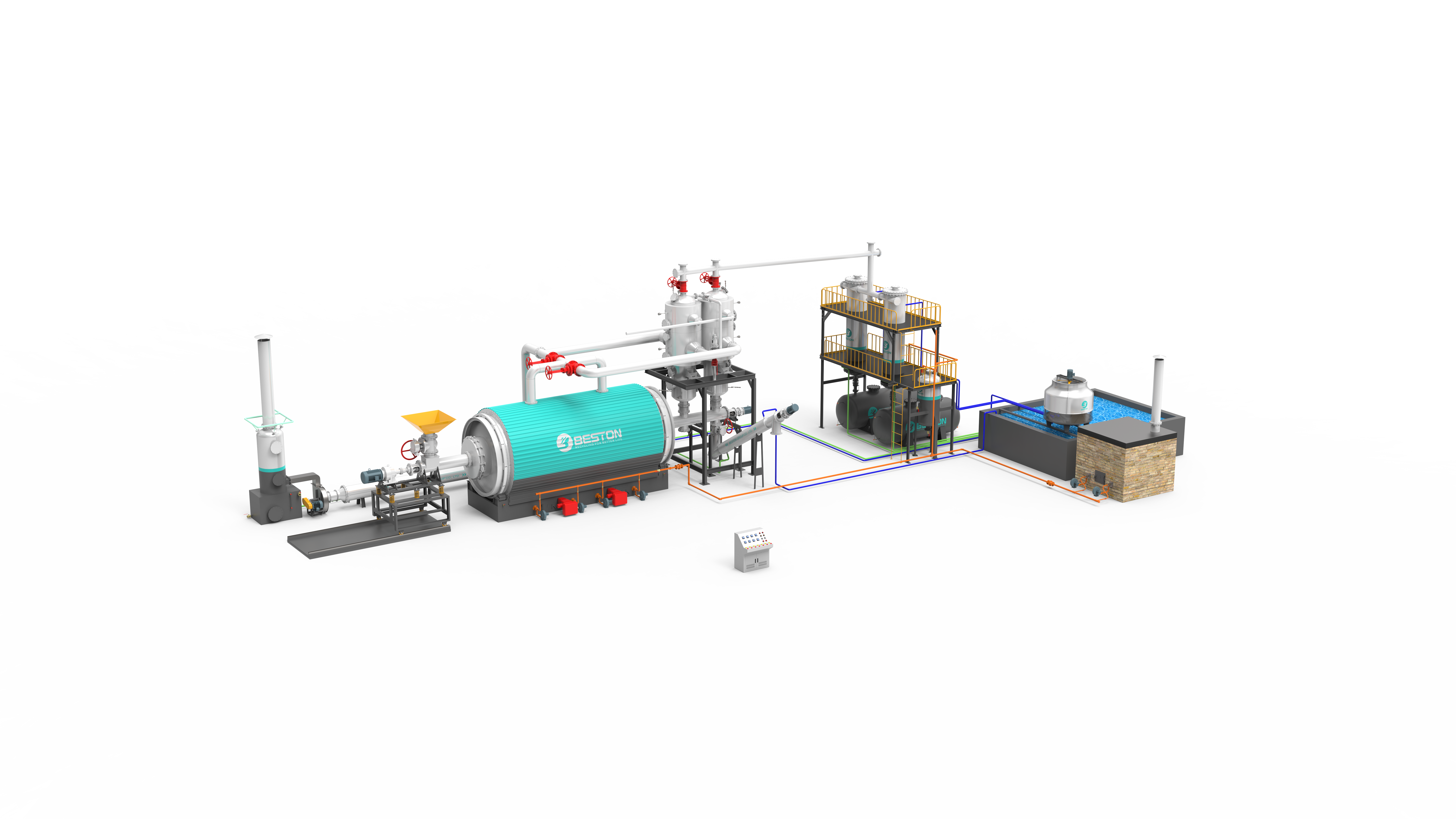
A well-designed biochar equipment system should account for feedstock variability rather than treating moisture as a static parameter. Monitoring incoming biomass moisture, standardizing particle size, and maintaining consistent feeding rates can significantly improve operational repeatability.
For continuous systems, this consistency becomes even more important because abrupt changes in feedstock moisture can propagate through the entire thermal process. Automated temperature monitoring and controlled feeding can help compensate for moderate fluctuations, but preprocessing remains the most reliable approach.
Ultimately, moisture control is a thermodynamic consideration with direct commercial implications. By managing feedstock moisture before it enters the biochar pyrolysis reactor, operators can reduce unnecessary energy expenditure, stabilize pyrolysis conditions, protect process capacity, and produce more consistent biochar. For biomass pyrolysis equipment, effective moisture management is therefore not an ancillary practice—it is a fundamental parameter for achieving efficient and predictable operation.