Biochar Plant Dust Control and Tar Management in Industrial Production
Dust and tar are two important process-management concerns in industrial biochar production. Biomass handling, thermal decomposition, char discharge, and gas condensation can all generate materials that affect equipment cleanliness, process stability, and environmental performance. Without appropriate management, airborne particulates may increase maintenance requirements, while tar accumulation can interfere with gas-handling and heat-recovery systems. Therefore, an effective biochar plant needs an integrated approach to dust suppression, particulate collection, and tar management.
1. Dust Generation and Control in Biochar Production
Dust can originate from several stages of biomass processing. Raw material transportation, crushing, screening, drying, feeding, and finished biochar discharge are common sources. Fine particles may also be carried by process gases during thermal conversion.
Industrial dust management generally combines enclosed equipment, localized extraction, and appropriate filtration. Enclosures around conveyors and transfer points help limit the dispersion of airborne particles. Dust collection systems can capture particulates before they spread into the surrounding production environment.
The design of a charcoal maker also influences dust generation. Stable material feeding, suitable conveying arrangements, and controlled char discharge reduce unnecessary material disturbance. In addition, dust collection should account for particle characteristics, airflow requirements, and the operating conditions of the production line.
A well-designed collection system offers several benefits:
-
Cleaner production areas: Reduces airborne particulate accumulation around processing equipment.
-
Lower maintenance requirements: Limits dust deposition on motors, instruments, and mechanical components.
-
Improved material handling: Supports cleaner transfer and storage of finished biochar.
-
Better environmental management: Helps control particulate emissions from production facilities.
2. Tar Formation and Its Impact on Industrial Equipment
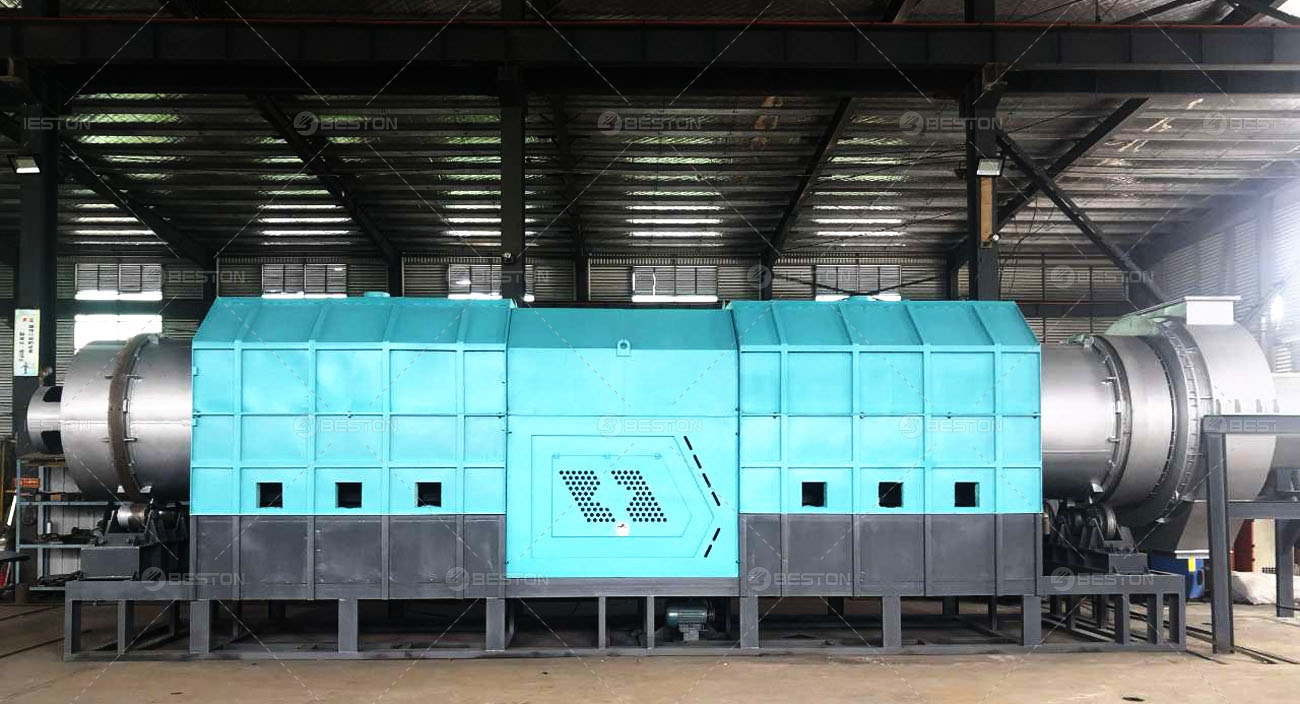
Tar is a condensable mixture of organic compounds generated during biomass pyrolysis. Its composition and quantity depend on feedstock characteristics, reactor temperature, vapor residence time, and thermal conversion conditions.
Within a biomass pyrolysis reactor, volatile compounds are released as biomass decomposes under oxygen-limited conditions. If these vapors undergo incomplete secondary conversion or cool during transportation, some compounds may condense and form sticky deposits.
Tar accumulation can create several operational problems. Deposits may restrict gas passages, reduce heat-transfer efficiency, and increase the cleaning requirements of downstream equipment. Condensation systems are particularly sensitive because changes in vapor temperature can influence where condensable compounds accumulate.
For this reason, tar management should be considered during system design rather than treated solely as a maintenance issue. Appropriate gas pathways, temperature management, and coordinated condensation arrangements help reduce uncontrolled deposition.
3. Integrated Dust and Tar Management Systems
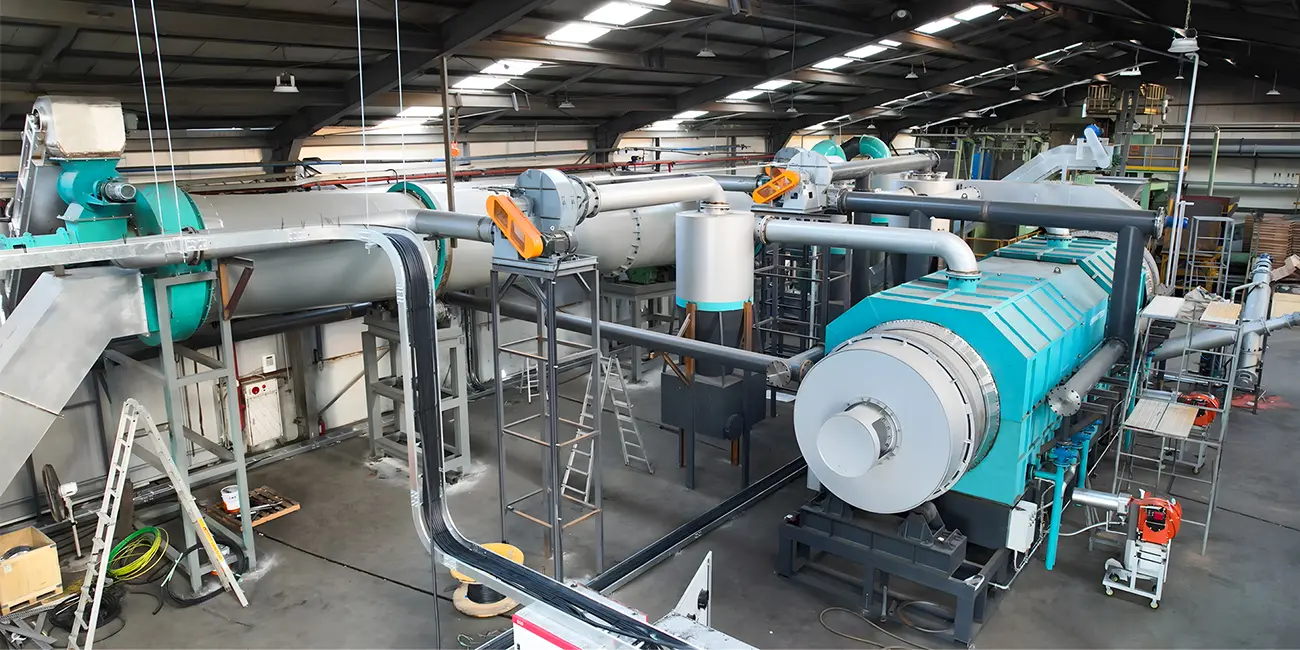
An industrial biochar kiln requires different control measures for solid particulates and condensable organic vapors. Although these substances may appear in the same production process, their physical properties and treatment requirements differ.
Dust management
Dust control focuses on containing and collecting solid particles. Enclosed transfer points, suitable extraction arrangements, and filtration equipment can be incorporated into the material-handling system. Collection equipment should be selected according to the characteristics of the dust and the applicable industrial safety requirements.
Tar management
Tar management focuses on controlling pyrolysis vapors and preventing unwanted condensation. Appropriate reactor and gas-line design, controlled thermal conditions, and properly configured gas treatment equipment help maintain stable gas circulation. Where condensation is part of the process, the system should provide suitable separation and collection arrangements.
These systems should be coordinated through the overall plant layout. For example, dust collection around the feeding and discharge sections should not interfere with the gas-treatment system. Similarly, maintenance access to condensation equipment should be considered during equipment configuration.
4. Monitoring and Maintenance for Long-Term Stability
Dust and tar control systems require regular performance monitoring. Even well-configured equipment can experience declining efficiency as filters become loaded, collection vessels accumulate material, or deposits develop in gas passages.
A practical maintenance framework should include the following considerations:
-
Differential pressure monitoring: Tracks changes in filter resistance and helps identify potential blockage or excessive particulate loading.
-
Gas temperature monitoring: Helps identify abnormal cooling conditions that may contribute to premature tar condensation.
-
Equipment inspection: Checks conveyors, extraction ducts, gas pipelines, and condensation equipment for material accumulation or deterioration.
-
Emission monitoring: Evaluates particulate emissions and supports compliance with applicable environmental requirements.
-
Preventive maintenance: Establishes inspection intervals based on operating conditions, feedstock properties, and equipment performance.
Combustible biomass dust also requires appropriate industrial safety controls. Dust accumulation, ignition sources, and ventilation conditions should be assessed through a site-specific dust hazard evaluation. Collection and filtration equipment must be designed and maintained according to applicable safety standards.
5. Improving Biochar Production Efficiency Through Process Integration
Effective dust and tar management contributes to more consistent industrial production. Rather than treating these issues as isolated maintenance concerns, manufacturers should incorporate them into the overall engineering design of a biochar plant.
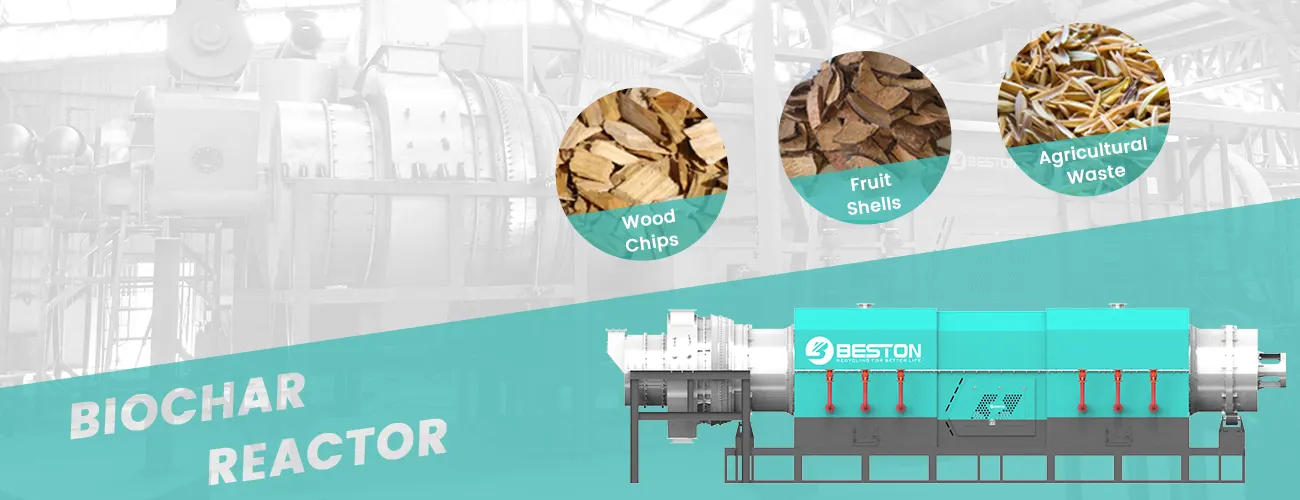
Feedstock preparation, reactor configuration, gas treatment, material discharge, and emission control need to function as coordinated subsystems. For example, a biomass pyrolysis reactor should be matched with suitable downstream gas-handling equipment, while the biochar discharge section should incorporate appropriate particulate containment.
Equipment selection also matters. A biochar kiln designed for continuous operation may require different material-transfer and gas-treatment configurations from a batch-processing system. The charcoal maker should therefore be evaluated according to feedstock characteristics, production capacity, operating conditions, and environmental requirements.
Ultimately, dust control and tar management are essential components of industrial biochar production. An integrated engineering approach helps reduce equipment fouling, improve workplace cleanliness, maintain process reliability, and support more consistent product output.